The Link Between Vision and Learning: What Parents Need to Know

As parents, we all want our children to succeed academically and enjoy their time in school. While we often think about study habits, nutrition, or even sleep schedules as factors that support learning, one critical element is sometimes overlooked: vision. Clear and comfortable vision plays an essential role in a child’s overall development and daily experiences, from exploring the world around them to excelling in the classroom.
Common Eye Conditions in Children
Several vision conditions can impact a child’s learning experience:
• Refractive Errors (Nearsightedness, Farsightedness, Astigmatism): These cause blurred vision at certain distances, making it harder to read the board or focus on books.
• Amblyopia (Lazy Eye): Reduced vision in one eye that can go unnoticed without an exam.
• Strabismus (Eye Turn): Misalignment of the eyes that can lead to double vision or difficulty with depth perception.
• Convergence Insufficiency: Difficulty keeping the eyes aligned when focusing on near tasks like reading, which can cause eye strain and loss of concentration.
Without treatment, these issues can interfere with reading speed, comprehension, and a child’s confidence in the classroom.
The Link Between Vision and Learning
Vision is the primary pathway through which children absorb information at school. In fact, experts estimate that nearly 80% of what children learn is processed visually. Reading, writing, using digital devices, and even participating in sports all depend heavily on well-functioning eyesight. When vision issues go undiagnosed, a child may struggle with tasks such as reading comprehension, staying focused on assignments, or copying from the board - challenges that can easily be mistaken for learning difficulties or behavioral issues. Ensuring that your child has healthy vision is, therefore, a key foundation for their academic success and confidence.
Recognizing the Signs of Vision Problems in Children
Parents often assume their child will say something if they can’t see well. In reality, many children don’t realize what “clear” vision looks like. Watch for these signs that may indicate a vision problem:
• Frequent squinting or tilting of the head
• Holding books very close or sitting too near the TV
• Losing their place while reading or skipping lines
• Complaints of headaches or eye strain
• Short attention span for visual tasks
• Poor hand-eye coordination
Early detection is key, as many of these conditions respond best to treatment when caught at a young age.
The Importance of Early and Regular Pediatric Eye Exams
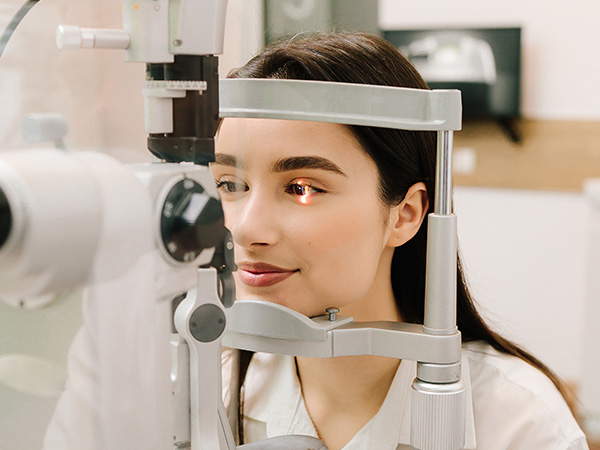
School vision screenings are helpful but not comprehensive. They often miss conditions like eye teaming problems or amblyopia. A full pediatric eye exam with our optometrist ensures your child’s visual system is thoroughly evaluated, including clarity of sight, eye coordination, depth perception, and focusing ability.
Support Your Child’s Learning with Healthy Eyesight at Vision First
Vision problems in children are more common than many parents realize and can significantly impact learning. Recognizing the signs, understanding common conditions, and making pediatric eye exams a priority can help your child succeed both inside and outside the classroom.
At Vision First, Dr. Julie Mathew provides compassionate, thorough pediatric eye care to help children thrive in school and in life. Schedule your child’s comprehensive eye exam and give them the clear vision they need to reach their full potential. Visit our office in Highland Village, Texas, or call (972) 944-8681 to book an appointment today.
Quick Links
Helpful Articles
article_category: restorative
article_category: vision therapy
article_category: contact lenses
article_category: health
article_category: conditions
article_category: eye surgery co-management
article_category: exotic
article_category: cosmetic
article_category: products
article_category: psychiatry
article_category: faqs
article_category: cats
article_category: general
article_category: services
article_category: technology
article_category: dogs
article_category: surgical procedures
article_category: aesthetics
article_category: preventative
article_category: ocular disease management
article_category: eyeglasses
article_category: eye health
article_category: large animal
[]
article_category: vision therapy
article_category: contact lenses
article_category: health
article_category: conditions
article_category: eye surgery co-management
article_category: exotic
article_category: cosmetic
article_category: products
article_category: psychiatry
article_category: faqs
article_category: cats
article_category: general
article_category: services
article_category: technology
article_category: dogs
article_category: surgical procedures
article_category: aesthetics
article_category: preventative
article_category: ocular disease management
article_category: eyeglasses
article_category: eye health
article_category: large animal
[]
Flowbite is an open-source library of interactive components built on top of Tailwind CSS including buttons, dropdowns, modals, navbars, and more.
Check out this guide to learn how to get started and start developing websites even faster with components on top of Tailwind CSS.
All Eye Care Services
Find personalized eye care excellence with our comprehensive services. From eye exams to advanced diagnostics, trust us for all your vision needs.

Keep In Touch
For non-urgent questions or to learn more about our services, contact us today!
© 2026 Vision First. All rights Reserved - Accessibility Statement - Privacy Policy - Sitemap
Managed and Designed by 